
Powering Tomorrow’s Ports
Overcoming the Hurdles to a Cleaner, Greener Future
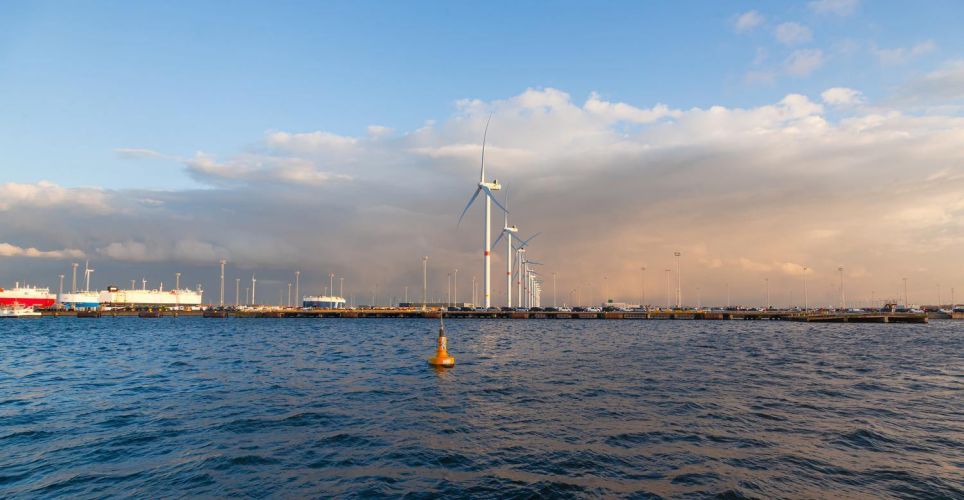
Electrification 2025 Blog Series – Part 1/2: Navigating the Challenges of Port Electrification
As the maritime sector accelerates its green transition, port electrification is becoming a cornerstone of the EU’s sustainability goals under the Green Deal and Fit for 55 initiatives. For ports across Europe—especially in the South Baltic region—this shift promises lower emissions, increased energy efficiency, and alignment with climate mandates. Yet, while the destination is clear, the road to electrification is paved with significant challenges.
Author: Lawrence Henesey, AKQUINET
Infrastructure Barriers and Grid Limitations
Many ports, particularly Small and Medium-Sized Ports (SMSPs), were not designed for the energy demands of electrified operations. Inadequate grid capacity, outdated substations, and a lack of modern transmission infrastructure limit ports' ability to deploy high-energy systems like shore power and electric cargo-handling equipment. Grid expansion, although vital, requires time, complex permitting, and substantial financial investment.
Shore power—or cold ironing—allows docked ships to shut down diesel generators and plug into the local grid. However, implementation is hindered by inconsistent standards across vessel types, high installation costs, and limited ship compatibility. While larger ports may absorb these costs, SMSPs often cannot.
Battery storage presents another opportunity for energy flexibility and resilience, especially in integrating intermittent renewable sources like solar and wind. However, high costs, environmental concerns, and technical limits on battery performance create adoption barriers.
Financing the Future
Electrification is capital intensive. From shore power systems to battery storage, the costs run high—not only in equipment but in planning, construction, and maintenance. While long-term gains include reduced fuel costs, compliance with environmental laws, and enhanced reputation, SMSPs frequently struggle to justify the initial investment.
Although the EU has multiple funding channels (e.g., Horizon Europe, Connecting Europe Facility, Innovation Fund), many ports lack the administrative capacity to navigate complex application processes. Moreover, competition for funds is fierce, and eligibility criteria can be difficult for smaller ports to meet.
To address these barriers, ports are exploring innovative financing models:
- Public-Private Partnerships (PPPs) that distribute costs and risks.
- Green Bonds and Sustainability Loans issued for infrastructure upgrades.
- Pay-As-You-Save (PAYS) models where cost savings fund repayments.
- Energy-as-a-Service (EaaS) models where infrastructure is provided by energy firms in exchange for usage-based fees.
The Business Case for Electrification
Despite the hurdles, electrification offers a solid return on investment when viewed long-term. Electrified ports benefit from improved operational efficiency, reduced emissions, more predictable energy costs, and compliance with tightening regulations. Comparative studies show:
- GHG emissions can drop by 30-50%.
- Operational costs are lower due to savings on diesel and optimized energy use.
- Payback periods for electrification projects range from 7 to 15 years.
Still, the ROI is tightly linked to shipping lines' adoption of compatible technologies and to the presence of clear, supportive tariff models for shore power use.
Policy and Regulatory Misalignment
Even with supportive EU-level policy frameworks, implementation at the national level remains inconsistent. Disparities in shore power mandates, emissions standards, and energy taxation policies create fragmented progress. Some nations enforce strict regulations, while others rely on voluntary incentives. Moreover, ports often face prolonged permitting procedures for green technologies, delaying crucial infrastructure developments.
To make real progress, the EU and member states must harmonize standards, streamline approval processes, and ensure uniform taxation and tariffs. Without regulatory cohesion, ports will continue to struggle against uncertainty and slow adoption.
In Part 2 of this blog series, we explore the digital transformation driving port electrification—from AI-powered energy management to lessons learned through the DigiTechPort2030 project—and share actionable strategies for a smarter, greener maritime future.


